

Home › Blog › How to Choose the Right Surf Camp in Morocco
Pick the camp that matches your level and the trip you actually want, then check how many surfers share one coach. Those two decisions settle most of the rest. This guide walks you through how to choose a surf camp in Morocco without guesswork: the factors that matter, how packages differ, what to ask before you pay, and the warning signs worth walking away from.
Morocco is busier than it has ever been. The country recorded 19.8 million tourist arrivals in 2025, up 14% on the year before, with tourism contributing 7.3% to GDP (Daba Finance, citing the Ministry of Tourism). More visitors means more camps opening along the coast near Taghazout. Some are excellent. Some are a mattress and a borrowed board. Knowing how to tell them apart is the whole job.
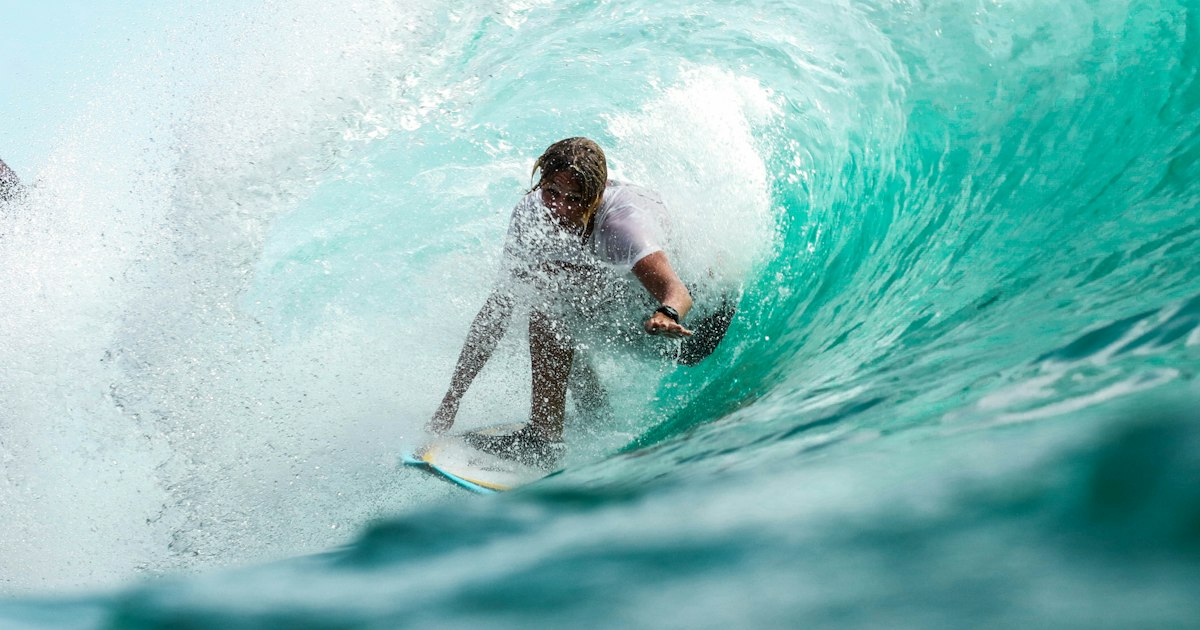
How to choose a surf camp in Morocco: location, level and vibe
Three things decide whether a camp fits you: where it is, who it teaches, and what the evenings feel like. Get these right and the small stuff sorts itself out.
Location matters because the surf changes by the kilometre. Taghazout sits inside a cluster of breaks, from mellow beach whitewater for first lessons to long right-hand points for people who already stand up. A camp that can reach several spots gives the coaches room to pick the one that suits the day and your level. It is worth knowing what the area offers before you commit, because the spots near Taghazout range from gentle beach breaks to long points.
Level is the honest part. Beginner camps and advanced camps run very differently. A good operator splits surfers by level and teaches them separately, so a first-timer is not paddling out to a reef and an intermediate is not stuck in the foam. If you have never surfed, that split is the single thing protecting your week.
Vibe is harder to measure and easy to feel. Solo travellers usually want long tables and a rooftop where strangers become a crew by day three. Couples often want a quieter studio near the beach. Remote workers want fast wifi and a desk, not a party. None of these is better. They are just different trips, so read the camp's own words and see which one it is describing.
All-inclusive packages versus building your own
An all-inclusive package bundles your stay, surf and activities into one booking. Building your own lets you pick the pieces. The right choice depends on how much you want to decide yourself.
Packages suit people who want to land and switch off. You book once, and the camp handles the surf schedule, the accommodation and usually a fixed activity programme. At Bigbluesurfexperience the activity cycle runs the same seven days every week of the year, so quad rides, Paradise Valley, the souk and the dunes are already on the calendar whichever week you arrive. Surf packages start from three nights, and you book the whole thing once.
Building your own suits people with specific needs. A digital nomad might want two surf mornings, a desk for the rest, and no quad bikes at all. Stay and Work and Stay and Chill both start from two nights for exactly that reason. You pair morning surf with whatever afternoon you want, or with no afternoon plan at all. Watching from the rooftop with a coffee is also a legitimate way to spend one.
The surf tourism market has grown into a serious industry, valued at USD 71.7 billion globally in 2025 and projected to keep rising (Grand View Research). That scale is why you now see both models everywhere. More choice is good. It also means you have to read the detail, because two camps at the same price can include very different things.
Check instructor quality and group size
The most useful question you can ask a surf camp is how many surfers share one coach, and whether that coach is in the water or on the sand. Small groups and in-water coaching are what turn a holiday into actual progress.
Water time is the thing you are really buying. In a group of twelve, you spend most of the session waiting. In a group of eight or fewer, split by level, you get waves and you get feedback while you are still wet. At Bigbluesurfexperience the groups are a maximum of eight per certified coach, split into beginner and intermediate, and the coach is in the water with you rather than pointing from the beach.
Certification is worth confirming too. Ask whether coaches are certified and in current first-aid training. A camp that answers plainly, with numbers, is telling you how it runs. A camp that waves the question away is also telling you something. If you are starting from zero, ask what a first week in the water actually looks like, from the first lesson in the whitewater to standing up on a green wave.
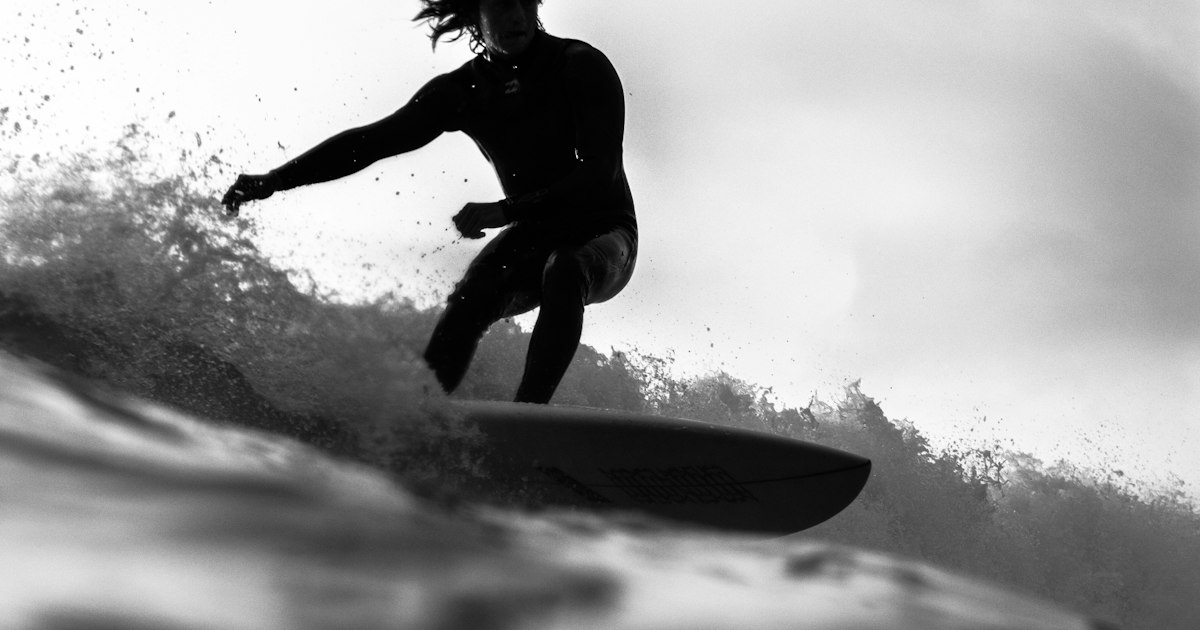
Accommodation and food
Where you sleep and what you eat shape the week as much as the surf does. Decide what you need before you compare prices, because camps bury real differences here.
On accommodation, be specific about what you want. A social dorm and a private studio are different trips. Ask how many rooms, how far from the beach, whether there is a rooftop or a shared kitchen, and whether a desk comes with it if you are working. Bigbluesurfexperience runs four accommodations under one team and one booking, which is one way a camp can match the same guest to a dorm, a studio or a coworking stay without sending you to three different places.
On food, check what is included rather than assuming. Breakfast is the usual question, and it is where quiet differences live. At Bigbluesurfexperience breakfast is included on direct bookings and on packages. Lunch and dinner vary by camp and by trip, so confirm which meals you are actually paying for before the price looks cheaper than it is.
Questions to ask before booking
Before you pay, send a short list of plain questions. Good camps answer them in a sentence each. The answers tell you more than any photo gallery.
- How many surfers per coach, and is the coach in the water with you?
- Are surfers split by level, and how do you decide which group I am in?
- How is the surf spot chosen each day?
- What exactly is included: which meals, equipment, transfers?
- Is the arrival transfer included, or only the departure one?
- What is your cancellation policy, and by when?
That last pair matters more than people expect. At Bigbluesurfexperience the Complimentary Departure Transfer to Agadir Al Massira Airport or the bus station is included from five nights on packaged trips, and the arrival transfer is not included, so you plan your first ride in from the airport yourself. Stays and packages can be cancelled free of charge up to seven days before arrival, and services booked on their own up to 48 hours before they start.
Red flags to avoid
Walk away from any camp that promises a specific wave on a specific day. The ocean decides, and an honest camp says so. A few warning signs are worth naming plainly.
- Guaranteed waves. No one can book the swell. A camp that promises perfect conditions on your exact dates is selling something it cannot deliver.
- Vague group sizes. If a camp will not tell you how many surfers share a coach, assume the number is high.
- A single catch-all level. Teaching beginners and advanced surfers in one group helps neither.
- Hidden inclusions. If you cannot get a clear answer on meals, transfers and cancellation before booking, you will not get one after.
- One photo, no detail. A rooftop shot is not a surf school. Look for concrete answers about coaching, spots and logistics.
The spot is chosen each morning from the forecast, because the ocean changes. At Bigbluesurfexperience there are eight breaks within reach, and you find out at breakfast which one you are going to. That is how a serious camp works with the conditions instead of pretending to control them.
Picking your week
Choosing well comes down to matching the camp to your level, keeping an eye on group size, and reading what is genuinely included before you compare prices. Do that and the rest of the week takes care of itself.
When you are ready, look at the complete Taghazout surf camp guide to picture the whole trip, then pick your dates or build your own stay around the mornings and afternoons you want.
Questions people ask
What is the most important thing when choosing a surf camp in Morocco?
Match the camp to your level and the kind of trip you want. A good camp splits surfers by level, keeps groups small, and puts a certified coach in the water with you rather than on the beach.
How many surfers per coach should a Morocco surf camp have?
Smaller is better. Look for groups of around eight or fewer per certified coach, split by level, so you get real feedback and water time rather than a queue.
Should I book an all-inclusive package or build my own trip?
Choose an all-inclusive package if you want surf, stay and activities handled for you. Build your own if you want to set your own nights, surf days and extras like coworking or a scooter.
Can a surf camp guarantee good waves on my dates?
No. Honest camps never promise a specific wave or spot on a specific day. They read the forecast each morning and pick the break that fits the conditions and your level.
What should be included in a Morocco surf camp price?
Check for breakfast, equipment, coaching, and transfer terms. At Bigbluesurfexperience, breakfast is included on direct bookings and packages, with a Complimentary Departure Transfer from five nights on packaged trips.