

Home › Blog › Imsouane: Riding Morocco's Longest Wave
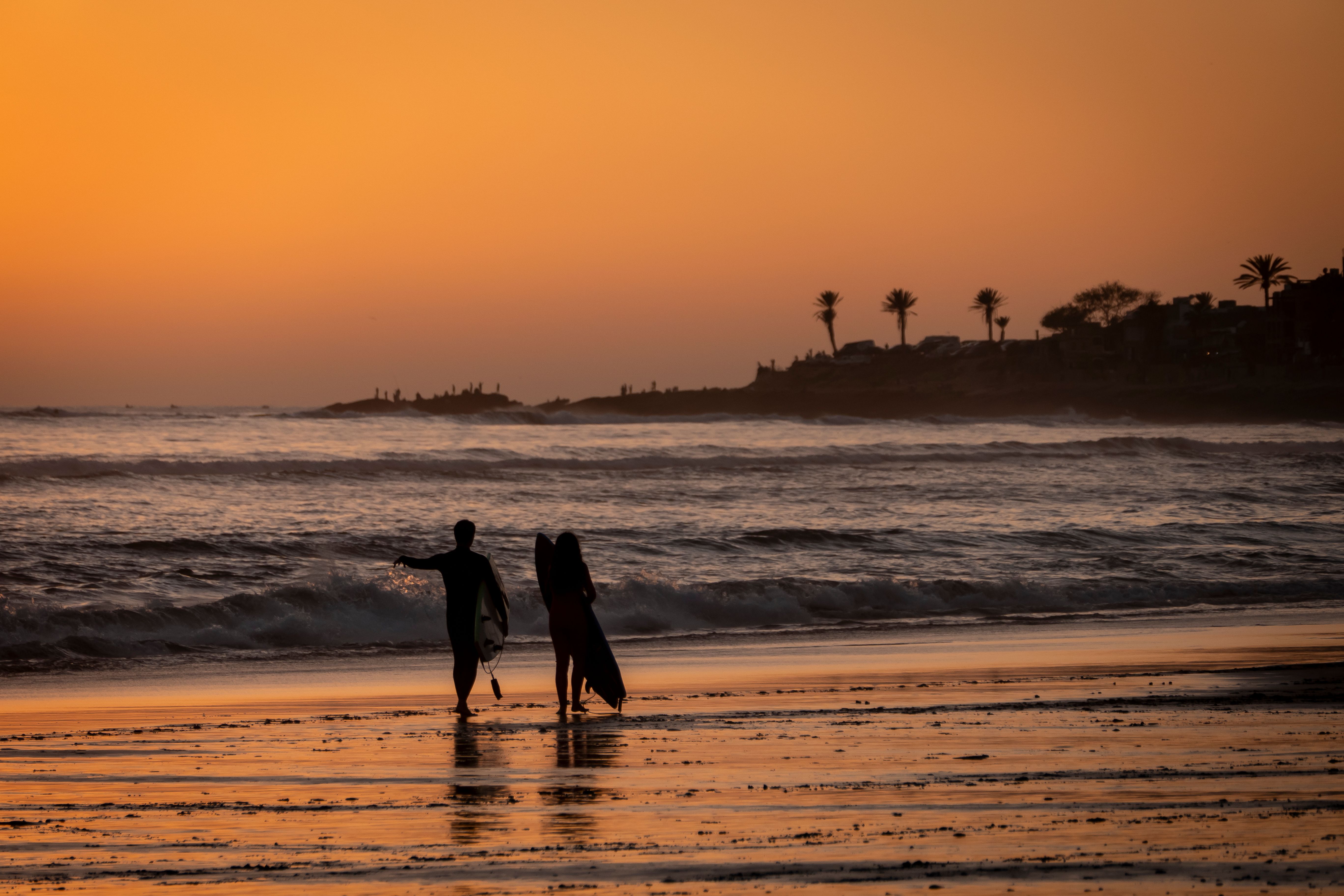
Imsouane is a small fishing village on Morocco's Atlantic coast, and the reason surfers drive north to find it is a right-hand point break that peels for a very long time. On a good day at the spot known as The Bay, the wave at Imsouane carries you so far down the point that your legs give out before the ride does. That is the appeal in one sentence. Everything else is detail.
Here is the detail, because the detail is what helps you decide whether to go.
The wave that keeps going
Imsouane breaks to the right over sand at a spot locals call The Bay, or La Baie. The wave is slow. It is forgiving. It stands up, lets you in, and then runs along the point with a gentleness that is rare in a region better known for its power. Surf-Forecast.com lists it as a right-hand point break with a difficulty of 2.8 out of 5, which puts it at the approachable end of Morocco's lineup. For context, the water read around 20.7C in mid October, warm enough for a shorty or a light wetsuit.
What you will not find here is a reliable number for how long the ride is. Guides quote six hundred metres, seven hundred, eight hundred. The honest answer is that it depends on the swell, the tide and how long your legs hold out. The claim worth trusting is the one you can feel: this is among the longest rideable waves in Morocco, and on the right day it goes long enough that catching one feels like an event rather than a turn.
The Bay and Cathedral, and why they are not the same wave
Two breaks share the village, and it matters which one you paddle out at.
The Bay is the long, mellow one. It sits over sand, it breaks slowly, and it holds a crowd because it rewards patience over power. Beginners can ride it. Advanced surfers can still have fun on it. It works best on a mid to high tide with a northwest to west swell in the three to six foot range.
Cathedral Point, or La Cathédrale, is the other character. It is faster, it breaks over reef, and it can go hollow when a solid northwest groundswell lands. The rides are shorter and the consequences are higher. Crowds thin out here because the wave asks more of you.
If you are learning, The Bay is where you belong. If you have your pop-up dialled and you want more speed under your feet, Cathedral is the step up. Knowing the difference before you arrive saves you from paddling out at the wrong one and having a bad morning.
Who the wave suits
This is one of the few places where a first-timer and a seasoned surfer can share a session and both come in happy. The Bay is slow enough to learn on and long enough to keep improving on. That is unusual.
If you have never surfed, you will get more out of Imsouane with a coach in the water next to you. We run surf groups of eight maximum per certified coach, split by level, and the coach is in the water with you rather than watching from the sand.
A note on honesty: the ocean decides. Imsouane needs a northwest swell to wake up, and on a flat day The Bay can be almost lake-like. That is part of why we choose the spot each morning from the forecast rather than promising you a specific wave on a specific day. There are eight breaks within reach of our base, and Imsouane is one option among them when the conditions line up.
Getting there from Taghazout
Imsouane sits about 70 km north of Taghazout, roughly an hour and a quarter in a car along the N1 coastal road, according to travel data aggregator Rome2Rio. The drive hugs the coast most of the way, and the final turn-off drops you down to the harbour.
You have a few ways to make the trip. A hire car is the simplest if there are a few of you. A scooter works if you are confident on two wheels and travelling light, though 70 km each way is a long day in the saddle and the coastal wind is real. There are also shared surf buses that run the route for a modest fare.
When to go, and what the ocean needs
Imsouane is a winter wave. It wants a northwest groundswell, and those arrive most reliably from autumn through spring. Surf-Forecast.com notes that groundswells here are more common than windswells, which is good news: groundswell is the organised, long-period energy that makes The Bay stand up and run.
Wind matters as much as swell. The wave is cleanest when the wind blows offshore from the east, which tends to mean an early start before the sea breeze fills in. Get there for the first light session and you often get the glassiest water of the day.
Water temperature is comfortable by cold-water-surf standards, sitting around twenty degrees in autumn. A 3/2 wetsuit covers you through most of the season.
The village beyond the wave
Imsouane is a working fishing harbour first and a surf town second, and that order is worth keeping in mind. Boats go out and come back with sardines. The catch gets grilled and eaten within sight of where it landed. The pace is slower than Taghazout, the buildings are low and white, and the whole place runs on the rhythm of the tide and the boats rather than on tourism alone.
In January 2024, Moroccan authorities cleared a number of informal structures along the waterfront as part of a national operation on public maritime land. According to The New Arab, residents were given short notice and much of the town carried on, with new units planned in front of the bay. The village is open in 2026, the harbour still works, and the waves have not moved. Some cafes and guesthouses have changed hands or locations since then, so it is worth confirming anywhere you plan to stop before you drive up.
Watching the harbour over a mint tea while the boats unload is a legitimate way to spend an hour. So is sitting on the point with a coffee and letting a set roll through without paddling for it.
Make it part of your week
Imsouane rewards a plan more than a gamble. It needs the right swell and the right wind, so the smart move is to keep it on your list of options and go on the day the forecast says yes, rather than driving two hours on a flat morning. If you want to compare it to the waves closer to base, our rundown of the top surf spots near Taghazout lays them out side by side.
When you are ready, pick your dates and build your trip around the forecast rather than around a single spot. The ocean will tell us where to go each morning. Imsouane might well be the answer.
Questions people ask
Is Imsouane good for beginners?
The Bay is one of the friendlier waves in the region. It breaks slowly over sand and peels for a long time, which gives you room to find your feet. Cathedral Point is faster and over reef, so leave that one until you are more confident.
How far is Imsouane from Taghazout?
About 70 km by road, roughly an hour and a quarter in a car. The drive runs north along the N1 coastal road.
Is Imsouane still open after the 2024 demolitions?
Yes. Authorities cleared some waterfront structures in January 2024, but the village is open, the harbour still works, and the surf breaks are unchanged.
When is the best time to surf Imsouane?
Winter. Northwest groundswells are most consistent from autumn through spring, and the wave is cleanest when the wind blows offshore from the east.